Gentle Aphid Control for Backyard Vegetable Beds
Learn how to check under leaves for beneficial insects, rinse aphids off with water, reduce excess nitrogen, and use insecticidal soap safely in the evening. Written for backyard vegetable gardeners managing aphids without harming pollinators or ladybugs.
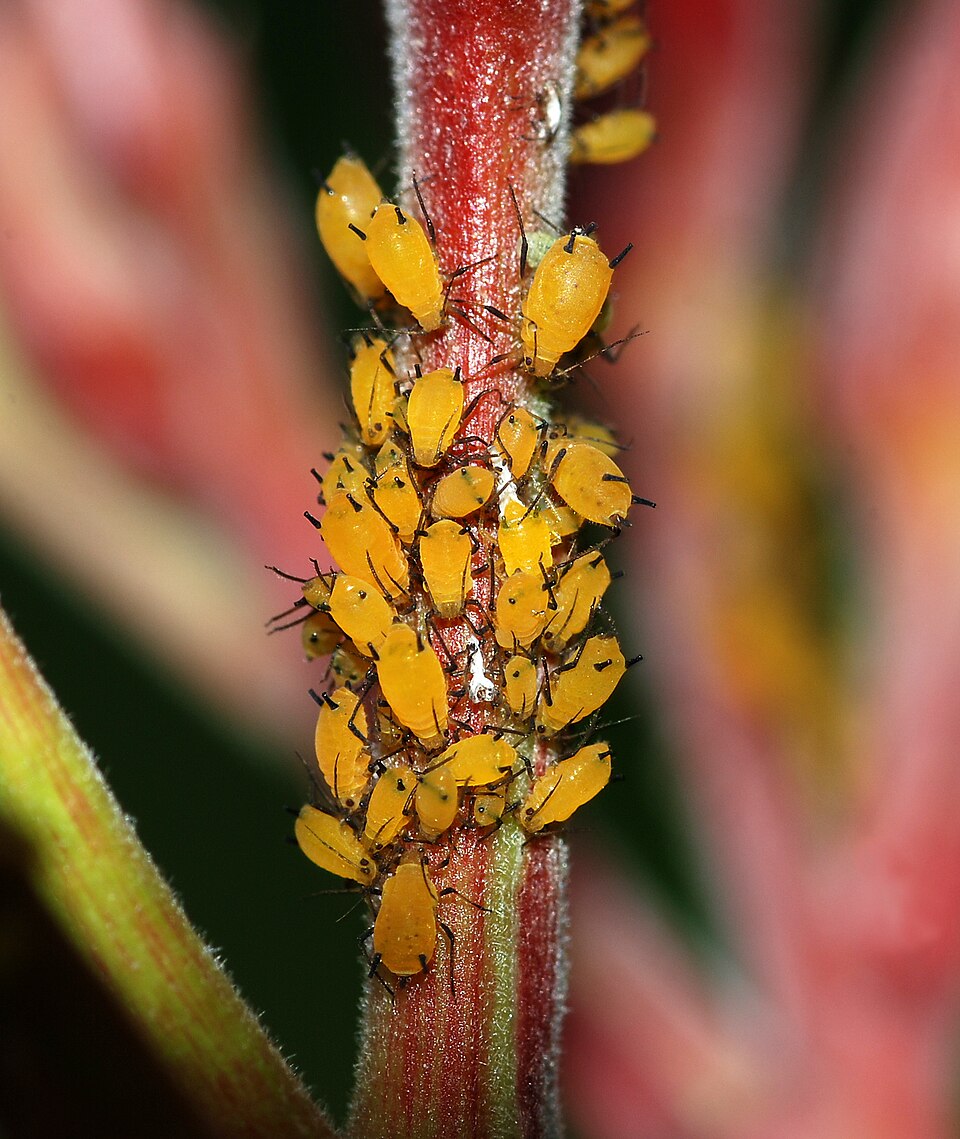
Learn how to check under leaves for beneficial insects, rinse aphids off with water, reduce excess nitrogen, and use insecticidal soap safely in the evening.
Whether you are growing in backyard beds, patio containers, or a bright indoor windowsill, understanding a few basic plant care details makes garden pest management much more reliable. Below you will find step-by-step instructions, common pitfalls to avoid, and answers to frequent questions.
At-a-Glance Summary
- Aphids cluster on the undersides of tender new leaves and multiply quickly in mild weather.
- Ants feed on sugary aphid honeydew and will protect aphid colonies from ladybugs and lacewings.
- Insecticidal soap (potassium salts of fatty acids) works only on direct wet contact with soft-bodied insects and leaves no lasting residue once dry.
Step-by-Step Instructions
-
Step 1: Check the Undersides of Curled Upper Leaves Twice a Week
Flip over curled or sticky leaves on peppers, kale, and tomatoes. Look for tan, papery "aphid mummies," which show that beneficial parasitic wasps are already reducing the colony.
Why this works: When beneficial insects are already present in good numbers, they often clear up moderate aphid populations on their own.
-
Step 2: Rinse Colonies Off with a Morning Water Spray
Hold the stem steady with one hand and spray the undersides of infested leaves with a firm stream of water in the morning so leaves dry quickly in the sun.
Why this works: Most wingless aphids knocked onto the ground cannot climb back onto the plant.
-
Step 3: Manage Tending Ants and Avoid Heavy Nitrogen Fertilizer
Keep ants off raised-bed stakes and switch from heavy liquid nitrogen fertilizers to slow-release compost.
Why this works: Over-fertilizing with fast nitrogen produces soft, sappy leaf growth that attracts more aphids.
-
Step 4: Spot-Spray Labeled Insecticidal Soap in the Evening
If aphids continue to damage young plants, spray a labeled potassium-salt insecticidal soap directly onto the undersides of affected leaves in the evening when temperatures are below 80°F and bees are not foraging.
Why this works: Spraying in the cool evening prevents leaf burn and protects daytime pollinators.
How the Plant Grows
Aphids cluster on the undersides of tender new leaves and multiply quickly in mild weather. Ants feed on sugary aphid honeydew and will protect aphid colonies from ladybugs and lacewings. Insecticidal soap (potassium salts of fatty acids) works only on direct wet contact with soft-bodied insects and leaves no lasting residue once dry.
• Check the Undersides of Curled Upper Leaves Twice a Week: When beneficial insects are already present in good numbers, they often clear up moderate aphid populations on their own.
• Rinse Colonies Off with a Morning Water Spray: Most wingless aphids knocked onto the ground cannot climb back onto the plant.
• Manage Tending Ants and Avoid Heavy Nitrogen Fertilizer: Over-fertilizing with fast nitrogen produces soft, sappy leaf growth that attracts more aphids.
• Spot-Spray Labeled Insecticidal Soap in the Evening: Spraying in the cool evening prevents leaf burn and protects daytime pollinators.
Common Mistakes to Avoid
- Do not use concentrated household dish soap or laundry detergent on garden plants—degreasers strip the natural waxy coating off leaves and cause leaf burn.
- Never apply insecticidal soap in hot midday sun or when temperatures are above 85°F.
Seasonal & Regional Timing
Frequently Asked Questions
Why are my vegetable leaves coated in sticky residue or black soot?
Aphids excrete sugary honeydew onto lower leaves, which can grow dark sooty mold. Controlling the aphids on the upper leaves and rinsing the foliage stops new honeydew from accumulating.
Sources & Further Reading
- UC Statewide IPM Program (University of California) — Aphids: Pest Notes for Home & Landscape (Publication 7404) (Check for natural enemies and parasitized aphid mummies, knock colonies off sturdy plants with a forceful water spray, avoid excess high-nitrogen fertilizer, and apply insecticidal soap thoroughly to leaf undersides when needed.)