How to Save Dahlia Tubers Over Winter Without Rot or Shriveling
Learn how to lift, cure, divide, and store dahlia tubers at 40°F–45°F in breathable packing material over winter. Written for home gardeners in cold-winter climates lifting tender tubers before ground freeze, and mild-winter growers managing wet winter soils.
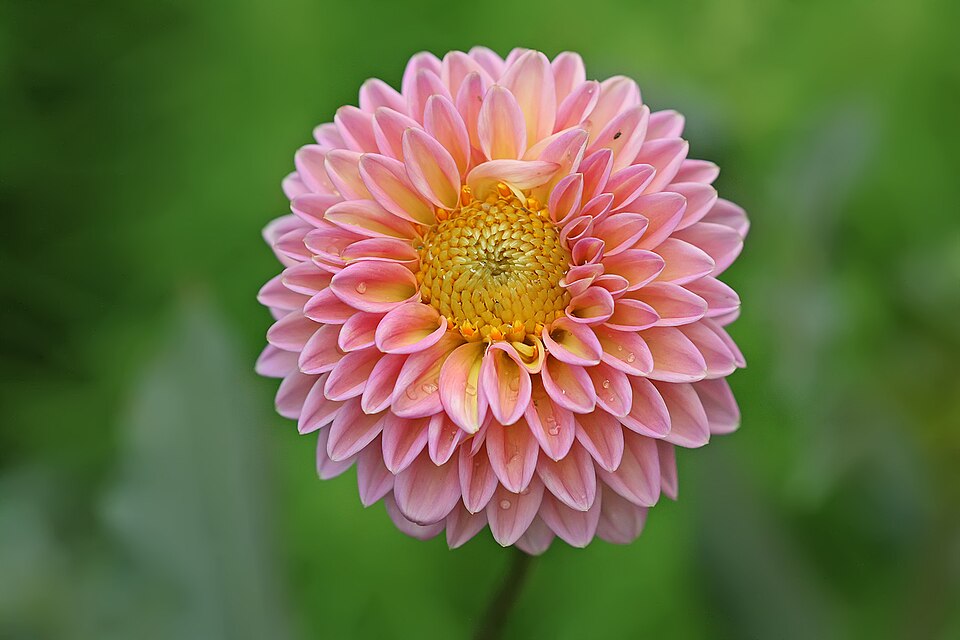
Learn how to lift, cure, divide, and store dahlia tubers at 40°F–45°F in breathable packing material over winter.
Whether you are growing in backyard beds, patio containers, or a bright indoor windowsill, understanding a few basic plant care details makes flower gardening much more reliable. Below you will find step-by-step instructions, common pitfalls to avoid, and answers to frequent questions.
At-a-Glance Summary
- Dahlia tubers are frost-tender storage roots that freeze and turn mushy if the ground freezes solid around them.
- A viable division needs three intact parts: a firm tuber body, an unbroken narrow neck, and a piece of the central crown containing at least one dormant eye.
- Sealing damp tubers inside airtight plastic bags traps moisture and encourages storage mold and soft rot.
- Aim for a cool, frost-free storage spot around 40°F–45°F in slightly damp coarse vermiculite or wood shavings.
Step-by-Step Instructions
-
Step 1: Wait After the First Killing Frost and Cut Stems to 4 Inches
Let the first autumn frost blacken the leaves, then wait about 7 to 10 days before digging. Cut the hollow main stalks down to 4-inch stubs with clean pruners.
Why this works: Resting in cool soil for a week after frost allows the skin on the tubers to toughen and makes dormant buds along the crown collar easier to see.
-
Step 2: Loosen Soil 12 Inches Around the Plant with a Digging Fork
Push a spading fork into the soil 12 inches out from the main stem all the way around the plant. Gently pry upward from underneath while lifting the clump with both hands—never pull by the cut stalk.
Why this works: Pulling on the stalk snaps the narrow necks that connect the storage tubers to the crown.
-
Step 3: Brush or Rinse Off Heavy Soil and Dry Upside Down for 24–48 Hours
Gently remove heavy mud, snip off thin hair roots and any sliced tubers, and turn the clump upside down in a frost-free, shaded garage for 1 to 2 days so water drains out of the hollow stems.
Why this works: Water pooled inside hollow stems leads to crown rot during winter storage.
-
Step 4: Divide the Crown or Pack Clumps in Breathable Material
Cut the crown into sections with a sharp knife or pruners so every tuber has an intact neck and a visible eye on the crown collar. Pack tubers in ventilated bins or cardboard boxes with barely damp coarse vermiculite or wood shavings.
Why this works: Breathable packing media holds mild humidity around the tubers while allowing airflow.
-
Step 5: Check Stored Tubers Once a Month Through Winter
Keep a simple thermometer near your storage boxes at 40°F–45°F. Check once a month: lightly mist the packing material if tubers start to wrinkle, or cut away any rotting pieces right away.
Why this works: Warm basements above 50°F cause early sprouting and shriveling, while temperatures below 32°F freeze the tubers.
How the Plant Grows
Dahlia tubers are frost-tender storage roots that freeze and turn mushy if the ground freezes solid around them. A viable division needs three intact parts: a firm tuber body, an unbroken narrow neck, and a piece of the central crown containing at least one dormant eye. Sealing damp tubers inside airtight plastic bags traps moisture and encourages storage mold and soft rot. Aim for a cool, frost-free storage spot around 40°F–45°F in slightly damp coarse vermiculite or wood shavings.
• Wait After the First Killing Frost and Cut Stems to 4 Inches: Resting in cool soil for a week after frost allows the skin on the tubers to toughen and makes dormant buds along the crown collar easier to see.
• Loosen Soil 12 Inches Around the Plant with a Digging Fork: Pulling on the stalk snaps the narrow necks that connect the storage tubers to the crown.
• Brush or Rinse Off Heavy Soil and Dry Upside Down for 24–48 Hours: Water pooled inside hollow stems leads to crown rot during winter storage.
• Divide the Crown or Pack Clumps in Breathable Material: Breathable packing media holds mild humidity around the tubers while allowing airflow.
• Check Stored Tubers Once a Month Through Winter: Warm basements above 50°F cause early sprouting and shriveling, while temperatures below 32°F freeze the tubers.
Common Mistakes to Avoid
- Do not blast freshly dug tubers with a high-pressure hose nozzle, which peels the tender outer skin.
- Keep stored tubers away from ripening apples, which release ethylene gas and can disturb normal dormancy.
- Throw out (do not compost) any clump showing distorted cauliflower-like growths at the base, which can indicate bacterial gall.
Seasonal & Regional Timing
Frequently Asked Questions
Will a dahlia tuber with a broken neck still sprout in spring?
No. Unlike a potato, a dahlia tuber does not have eyes along its body. All growth buds sit on the crown collar above the neck. If the neck is broken through, that tuber will not produce a stem.
Should I divide dahlia clumps in fall or wait until spring?
Either works. Dividing in fall is easier on the hands because the crown tissue is softer right after digging, while waiting until early spring makes the swelling eyes easier to spot.
Sources & Further Reading
- University of Minnesota Extension — Growing Dahlias (Including Digging and Winter Storage) (Wait after a killing frost before digging tubers gently with a garden fork, allow clumps to dry out of direct sun, and store in a cool frost-free location (40°F–45°F) in vermiculite, peat moss, or wood shavings.)
- Oregon State University Extension Service — Growing Dahlias in the Home Garden (EC 1317) (Each divided dahlia tuber must include a portion of the crown with a live eye and an undamaged neck to produce a shoot the following spring.)