How to Root Rosemary and Woody Herb Cuttings
Learn how to take healthy non-flowering stem tips, strip lower leaves, and root rosemary cuttings in an airy perlite-and-potting mix. Written for home gardeners propagating rosemary, thyme, sage, and lavender from stem cuttings.
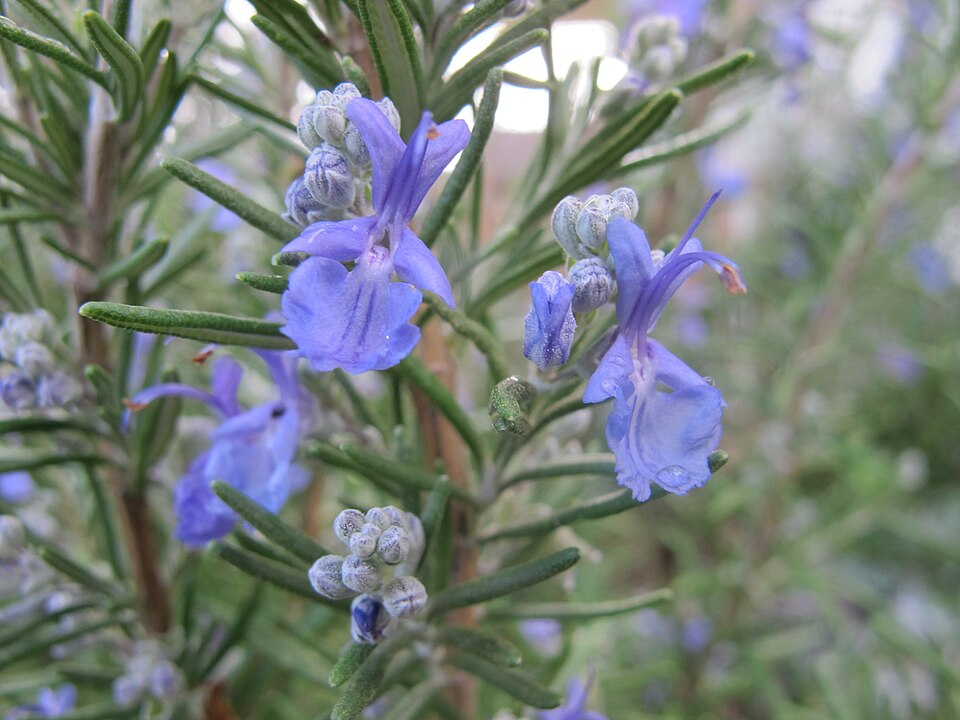
Learn how to take healthy non-flowering stem tips, strip lower leaves, and root rosemary cuttings in an airy perlite-and-potting mix.
Whether you are growing in backyard beds, patio containers, or a bright indoor windowsill, understanding a few basic plant care details makes plant propagation much more reliable. Below you will find step-by-step instructions, common pitfalls to avoid, and answers to frequent questions.
At-a-Glance Summary
- Flexible green or semi-woody new shoots root much more reliably than old, dark brown woody stems.
- Stripping leaves from the bottom third of the stem prevents buried needles from rotting in damp rooting mix.
- A coarse, airy mix (such as perlite blended with coco coir or potting mix) keeps oxygen around the cut stem base.
Step-by-Step Instructions
-
Step 1: Cut 4-Inch Non-Flowering Stems in the Morning
Use clean, sharp snips to cut 4-inch tips of flexible new growth in the morning when the plant is well hydrated. Make the bottom cut just below a leaf node.
Why this works: Natural root-forming hormones gather at leaf nodes on non-flowering shoots.
-
Step 2: Remove Leaves from the Bottom 1.5 Inches
Carefully snip or pinch the needles off the lower third of each cutting without tearing the stem bark.
Why this works: Bare nodes make clean contact with the rooting mix while keeping foliage above the damp surface.
-
Step 3: Insert into Damp Perlite & Coir Mix
Moisten a mix of roughly half perlite and half coco coir or seed-starting mix. Poke a hole with a pencil, dip the stem base in rooting hormone powder if desired, and firm the mix gently around the stem.
Why this works: Poking a pilot hole keeps the rooting powder from rubbing off as you insert the cutting.
-
Step 4: Keep in Bright Indirect Light Until New Top Growth Appears
Place the pot in bright indirect light (out of harsh midday sun) and keep the mix lightly moist—never soggy—for 3 to 4 weeks until gentle resistance confirms new roots.
Why this works: Filtered light prevents the unrooted cutting from drying out before roots can take up water.
How the Plant Grows
Flexible green or semi-woody new shoots root much more reliably than old, dark brown woody stems. Stripping leaves from the bottom third of the stem prevents buried needles from rotting in damp rooting mix. A coarse, airy mix (such as perlite blended with coco coir or potting mix) keeps oxygen around the cut stem base.
• Cut 4-Inch Non-Flowering Stems in the Morning: Natural root-forming hormones gather at leaf nodes on non-flowering shoots.
• Remove Leaves from the Bottom 1.5 Inches: Bare nodes make clean contact with the rooting mix while keeping foliage above the damp surface.
• Insert into Damp Perlite & Coir Mix: Poking a pilot hole keeps the rooting powder from rubbing off as you insert the cutting.
• Keep in Bright Indirect Light Until New Top Growth Appears: Filtered light prevents the unrooted cutting from drying out before roots can take up water.
Common Mistakes to Avoid
- Avoid sealing rosemary under a tight plastic dome with no airflow; stagnant damp air quickly causes mold on rosemary needles.
- Wait to apply fertilizer until the rooted cuttings are potted into regular potting soil.
Seasonal & Regional Timing
Frequently Asked Questions
Why did my rosemary cutting turn brown in a glass of water?
Woody Mediterranean herbs like rosemary need plenty of air around the cut stem base and often rot in stagnant water before roots form. An airy perlite mix gives much better results.
Sources & Further Reading
- NC State Extension — Plant Propagation by Stem Cuttings (Take 3-to-5-inch cuttings from healthy, non-flowering shoots in the morning, remove leaves from the lower third of the stem, and insert into a sterile, well-aerated rooting medium in bright indirect light.)