The Carrot Seed Board Trick: How to Use It and When to Remove It
Direct Answer & Immediate Removal Warning: Laying a clean, untreated wooden board flat over a newly sown carrot furrow is a temporary moisture-retention cover intended to keep the top layer of soil moist and prevent surface crusting over shallowly sown seeds (1/4 to 1/2 inch deep) until germination begins. You must lift the board to inspect the row every day from the day the board is placed and remove the board immediately at the very first sign of seedling emergence—leaving a board over emerged seedlings blocks essential sunlight and causes tender shoots to stretch, turn pale, or flatten against the soil. Written for home vegetable gardeners sowing carrots in backyard raised beds or in-ground rows where the top layer of soil dries or crusts quickly.
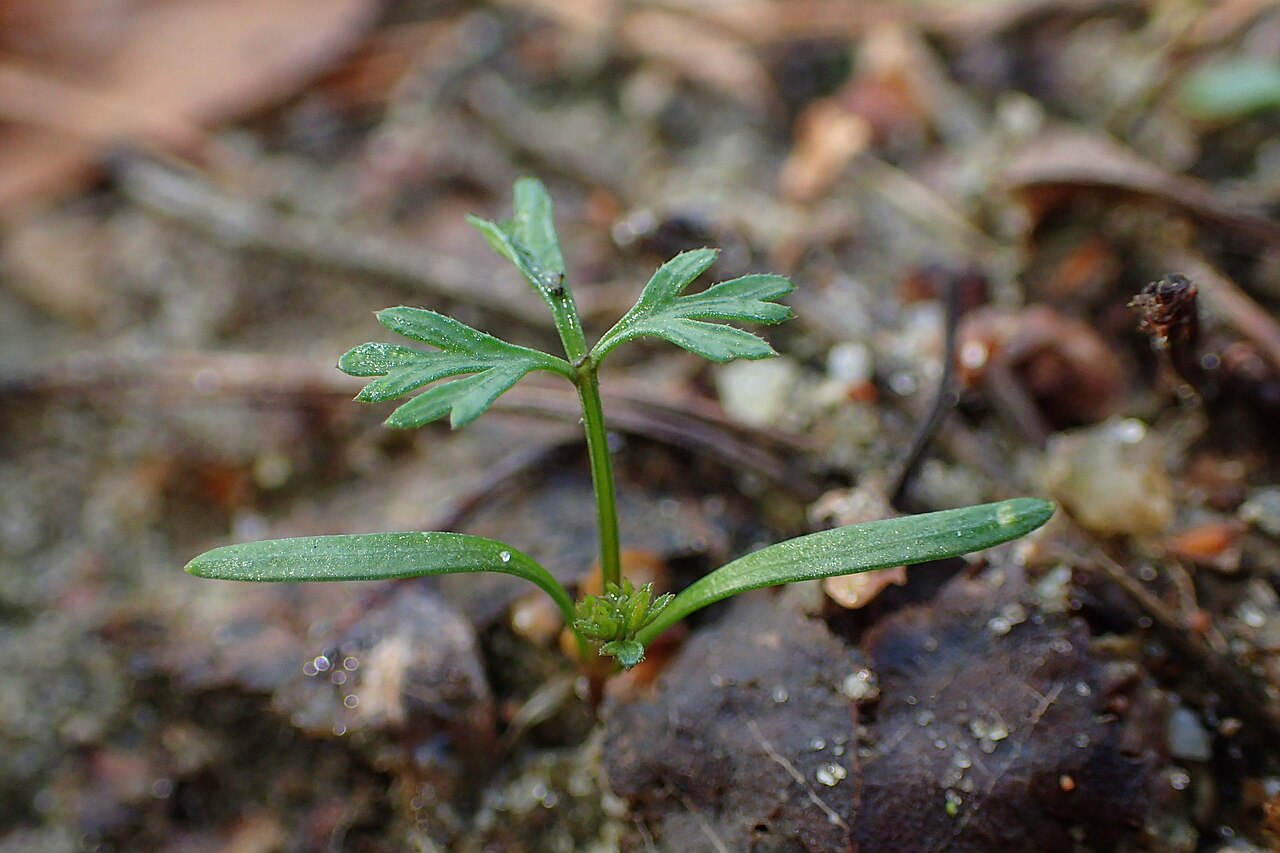
Direct Answer & Immediate Removal Warning: Laying a clean, untreated wooden board flat over a newly sown carrot furrow is a temporary moisture-retention cover intended to keep the top layer of soil moist and prevent surface crusting over shallowly sown seeds (1/4 to 1/2 inch deep) until germination begins. You must lift the board to inspect the row every day from the day the board is placed and remove the board immediately at the very first sign of seedling emergence—leaving a board over emerged seedlings blocks essential sunlight and causes tender shoots to stretch, turn pale, or flatten against the soil.
Why use a board at all, and when should you skip it? Because carrot seeds are sown just 1/4 to 1/2 inch deep and commonly take 7 to 21 days (1 to 3 weeks) to germinate depending on soil temperature and moisture, dry weather can quickly dry or crust the top layer of soil before seedlings emerge. As Cornell University home gardening guidance notes, covering a shallow carrot furrow with a board helps retain soil moisture until seeds germinate—but it works safely only in cool-to-mild weather (soil below 80°F) in well-drained soil when you lift the board to inspect the row every single day from the day it is placed and remove it immediately at the very first sign of seedling emergence. If you cannot inspect daily, cover seeds instead with fine compost, fine sand, or fine vermiculite, or sow a few fast-germinating radish seeds in the row to break the soil crust.
At-a-Glance Summary
- Direct Answer & Removal Rule: Covering a newly sown carrot furrow with a clean, untreated wooden board helps retain surface moisture in dry weather until seeds germinate—but you must check underneath every day from the day the board is placed and remove the board immediately at the very first sign of seedling emergence.
- Why Carrot Seeds Dry Out Easily: University extension guides recommend sowing carrot seeds only 1/4 to 1/2 inch deep, where sun and wind can quickly dry or crust the top layer of soil before slow-germinating seeds (7 to 21 days depending on soil temperature and moisture) finish sprouting.
- Temperature & Moisture Limits: Seeds germinate best when soil temperatures are between 55°F and 65°F, and temperatures above 80°F reduce carrot seed germination. Avoid using a board in hot weather above 80°F or over waterlogged soil, where trapped heat or excess moisture can hinder sprouting.
- Safe Alternatives When You Cannot Inspect Daily: If you cannot lift a board every day from the day it is placed, cover sown seed instead with a thin layer of fine compost, fine sand, or vermiculite, use breathable fabric row cover, or sow a few fast-germinating radish seeds in the row to break the soil crust.
Step-by-Step Instructions
-
Step 1: Prepare Deep, Loose Soil and Sow Seeds 1/4 to 1/2 Inch Deep
Work your garden bed or raised bed into deep, loose, well-drained soil and rake out rocks, clods, and debris that cause forked roots. Check your seed packet instructions and sow carrot seeds directly into a shallow furrow 1/4 to 1/2 inch deep, then lightly cover with fine soil, sifted compost, or fine sand.
Why this works: Carrots form a single taproot that forks if transplanted or blocked by stones and clods, and shallowly sown carrot seeds struggle to push through a hard, crusted soil surface.
-
Step 2: Water Gently and Lay an Untreated Wooden Board Flat Over the Furrow
Moisten the planted row with a gentle spray or fine rose watering can so tiny seeds do not wash out of place. While the seedbed is evenly moist (not puddled), lay a clean, flat, untreated wooden board directly over the seeded furrow to retain soil moisture.
Why this works: As Cornell University gardening guidance notes, covering a shallow carrot furrow with a board in dry weather retains surface moisture over the top 1/4 to 1/2 inch of soil where seeds are germinating.
-
Step 3: Lift the Board Every Day From the Day It Is Placed to Inspect Moisture and Emergence
Starting from the day the board is placed, lift the board once every day to inspect the row. Check that the soil surface remains evenly moist (water lightly if dry), make sure water is not pooling underneath, and look closely along the furrow for the very first pale seedling arches or seed leaves breaking the soil surface.
Why this works: Carrot germination time is never a fixed calendar count—emergence commonly takes 7 to 21 days (1 to 3 weeks) depending on soil temperature (40°F–45°F minimum, 55°F–65°F optimal) and moisture—so daily inspection from the day the board is placed is essential.
-
Step 4: Remove the Board Immediately at the Very First Sign of Seedling Emergence
The moment you spot the very first seedling loops or narrow seed leaves emerging along the row during your daily inspection, remove the wooden board completely and do not put it back. Do not wait for the entire row to finish sprouting before taking the board off.
Why this works: Once a seedling breaks through the soil surface, it immediately requires direct sunlight for photosynthesis. Leaving a board over emerged seedlings blocks light and causes weak, pale, stretched stems or flattened shoots.
-
Step 5: Water Lightly Daily in Dry Weather, Thin by Cutting, and Hill Shoulders
After removing the board, water lightly each day in dry weather so the seedbed stays evenly moist while slower seeds finish emerging. Before seedlings reach 2 inches tall (or when plants have 3 to 4 true leaves), thin them to 1 to 4 inches apart by cutting crowded seedlings at the soil line rather than pulling them out. As roots size up, mulch or hill soil over exposed root tops.
Why this works: Cutting seedlings rather than pulling reduces disturbance to the roots of neighboring carrot plants, and hilling soil or mulch over exposed shoulders prevents sunlight from turning the tops green and bitter.
-
Step 6: Use a Breathable Covering If You Cannot Inspect the Row Every Single Day
If your schedule does not allow lifting a board every day from the day it is placed—or when temperatures are hot (above 80°F)—skip the wooden board. Instead, cover newly sown carrot seeds with a thin layer of fine compost, fine sand, or fine vermiculite, sow a few radish seeds in the row to break surface crust, or use a breathable fabric row cover.
Why this works: Fine compost, sand, vermiculite, and breathable fabric covers help maintain surface moisture and reduce soil crusting without trapping emerging seedlings in total darkness.
How the Plant Grows
Direct Answer & Removal Rule: Covering a newly sown carrot furrow with a clean, untreated wooden board helps retain surface moisture in dry weather until seeds germinate—but you must check underneath every day from the day the board is placed and remove the board immediately at the very first sign of seedling emergence. Why Carrot Seeds Dry Out Easily: University extension guides recommend sowing carrot seeds only 1/4 to 1/2 inch deep, where sun and wind can quickly dry or crust the top layer of soil before slow-germinating seeds (7 to 21 days depending on soil temperature and moisture) finish sprouting. Temperature & Moisture Limits: Seeds germinate best when soil temperatures are between 55°F and 65°F, and temperatures above 80°F reduce carrot seed germination. Avoid using a board in hot weather above 80°F or over waterlogged soil, where trapped heat or excess moisture can hinder sprouting. Safe Alternatives When You Cannot Inspect Daily: If you cannot lift a board every day from the day it is placed, cover sown seed instead with a thin layer of fine compost, fine sand, or vermiculite, use breathable fabric row cover, or sow a few fast-germinating radish seeds in the row to break the soil crust.
• Prepare Deep, Loose Soil and Sow Seeds 1/4 to 1/2 Inch Deep: Carrots form a single taproot that forks if transplanted or blocked by stones and clods, and shallowly sown carrot seeds struggle to push through a hard, crusted soil surface.
• Water Gently and Lay an Untreated Wooden Board Flat Over the Furrow: As Cornell University gardening guidance notes, covering a shallow carrot furrow with a board in dry weather retains surface moisture over the top 1/4 to 1/2 inch of soil where seeds are germinating.
• Lift the Board Every Day From the Day It Is Placed to Inspect Moisture and Emergence: Carrot germination time is never a fixed calendar count—emergence commonly takes 7 to 21 days (1 to 3 weeks) depending on soil temperature (40°F–45°F minimum, 55°F–65°F optimal) and moisture—so daily inspection from the day the board is placed is essential.
• Remove the Board Immediately at the Very First Sign of Seedling Emergence: Once a seedling breaks through the soil surface, it immediately requires direct sunlight for photosynthesis. Leaving a board over emerged seedlings blocks light and causes weak, pale, stretched stems or flattened shoots.
• Water Lightly Daily in Dry Weather, Thin by Cutting, and Hill Shoulders: Cutting seedlings rather than pulling reduces disturbance to the roots of neighboring carrot plants, and hilling soil or mulch over exposed shoulders prevents sunlight from turning the tops green and bitter.
• Use a Breathable Covering If You Cannot Inspect the Row Every Single Day: Fine compost, sand, vermiculite, and breathable fabric covers help maintain surface moisture and reduce soil crusting without trapping emerging seedlings in total darkness.
Common Mistakes to Avoid
- Remove the board at the first sign of emergence: Never leave a wooden board resting on growing seedlings—leaving a board over emerged shoots blocks light and causes pale, stretched, or flattened stems.
- Do not use in hot weather (above 80°F): Utah State University Extension notes that temperatures above 80°F reduce carrot seed germination, and carrots do not grow well in hot weather.
- Avoid overwatering and waterlogged soil: Utah State University Extension cautions that over-watering promotes hairy or forked roots, and soil under a board dries much more slowly than uncovered soil.
- Use only clean, untreated wood: Do not place painted, stained, or pressure-treated lumber over food garden beds.
- No guaranteed germination schedule: Covering a furrow with a board helps retain surface moisture in dry weather—it does not guarantee a specific germination percentage or a fixed number of days to emerge.
Seasonal & Regional Timing
Supplies Used in This Guide
Affiliate Disclosure: As an Amazon Associate I earn from qualifying purchases.
- Carrot Seeds: Sown 1/4 to 1/2 inch deep in a loose, stone-free furrow; check your seed packet for cultivar spacing and days to maturity before covering the row.
- Watering Can with a Fine Rose: Delivers a gentle, even shower over newly sown 1/4-inch carrot furrows so tiny seeds do not wash out of place before placing or after removing the board.
- Plant Labels: Marks both ends of the covered carrot furrow and records the sowing date so you can locate and inspect the row every day from the day the board is placed.
Frequently Asked Questions
When should I start checking under the board, and when do I remove it?
Check under the board every day starting from the day the board is placed to monitor soil moisture and watch for sprouting. Remove the board immediately at the very first sign of seedling emergence—do not wait for the rest of the row to sprout before taking the board off.
How many days does it take for carrots to germinate?
There is no fixed day count. University extension guides report that carrot seeds commonly take 7 to 21 days (1 to 3 weeks) to emerge, and often germinate unevenly depending on soil temperature and moisture. Because timing varies, inspect under the board daily from the day it is placed.
What happens if seedlings sprout while the board is still on?
Seedlings trapped under a dark board are deprived of light and quickly develop pale, stretched stems or get pressed flat against the soil. Remove the board immediately so the emerged seedlings receive sunlight, and keep the soil evenly moist with light daily watering.
What can I use instead of a wooden board if I cannot check the row every day?
Cover the seeded furrow with a thin layer of fine compost, fine sand, or fine vermiculite to prevent soil crusting, or sow a few fast-germinating radish seeds in the same row to break the soil crust and mark the row (harvesting the radishes before they compete with the carrots).
Sources & Further Reading
- Cornell University — Carrots Growing Guide (Explore Cornell Home Gardening) (To improve germination in dry weather, make a shallow furrow, plant seed and cover with about 1/4 inch of soil, and cover the furrow with a board to retain soil moisture until seeds germinate; carrots take 7 to 21 days (1 to 3 weeks) to emerge and germinate unevenly; water lightly daily if soil is dry; thin to 1 to 4 inches apart before plants are 2 inches tall by cutting rather than pulling to reduce disturbance; sow radishes in the same row to break soil crust and mark the row, or mix seed with sand or fine vermiculite; mulch or hill soil over exposed shoulders to keep them from turning green and bitter.)
- Utah State University Extension — Carrots in the Garden (Sow carrot seeds 1/4 to 1/2 inch deep after soil reaches 40°F; optimal germination occurs at 55°F to 65°F soil temperatures (requiring 14 to 21 days to emerge), and temperatures above 80°F reduce seed germination; crusting soils limit seedling emergence; maintain a uniform, moist soil surface; covering seed with compost or fine sand or planting radishes with carrots helps minimize crusting; thin seedlings to 2 to 3 inches apart when plants have 3 to 4 true leaves; cover emerging seedlings with fabric row covers where carrot rust fly is present.)
- University of Maryland Extension — Growing Carrots in a Home Garden (Direct-seed carrots into deep, loose, well-drained soil free from rocks, clods, or debris once soil temperature reaches at least 45°F; cover seed with 1/4 to 1/2 inch of soil and keep the seedbed evenly moist with light daily watering in dry weather until plants establish; carrots do not grow well during hot weather; thin seedlings to 1 to 4 inches apart when about 2 inches tall by cutting rather than pulling to avoid root disturbance; hill soil over the tops of the roots to prevent green shoulders.)
- South Dakota State University Extension — Carrots: How to Grow It (Direct-sow carrot seed 1/4 to 1/2 inch deep once soil reaches 40°F (never transplant carrots, or developing roots will fork); seeds may take as long as 3 weeks to germinate and the soil must be kept moist during that entire period; mulch with clean straw or herbicide-free grass clippings to keep weeds down and provide cooler soil temperatures.)